Breatheasy
An interactive experience for children undergoing anesthesia
Breatheasy is an interactive experience designed to help lower the anxiety of children undergoing anesthesia. Children progress through themed levels, with breathing as the only way to interact.
Senior Thesis
2020-2021
Researcher, Designer & Developer
Problem
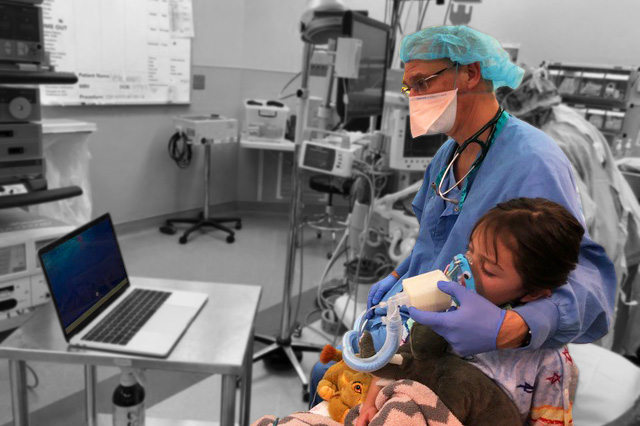
Undergoing anesthesia is incredibly stressful for children, especially between ages three and seven. Anesthesiologists struggle getting the mask secured to the child's face, and in some surgeries children must be sedated to administer anesthesia.
Solution
Breatheasy is an interactive experience that lowers anxiety in children undergoing anesthesia. Children progress through a series of themed levels, with breathing being the only way to interact with the game.
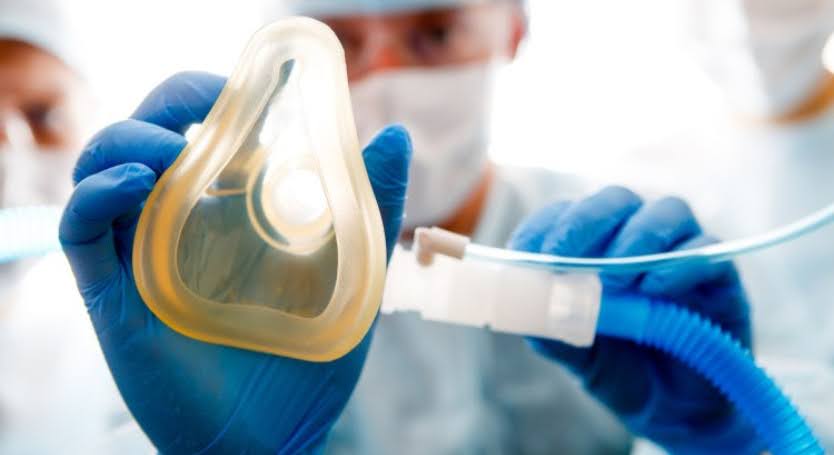
This is a frightening experience for anyone.
Imagine how frightening the experience can be for a child.
Steps
Research
Understanding the problem space of pediatric anesthesia anxiety and examining an inspiring precedent.
UX Design
Designing an immersive, themed experience that engages children through breathing interaction.
Development
Building the experience using Arduino hardware and a p5.js web application.
Usability Testing
Observing how children interact with the experience in a real-world setting.
01
SkipResearch
Current Solution
The prevailing method employed to lower anxiety is to let the child play a game on an iPad. It is still very common for difficulties to arise due to the child's anxiety with this method. Secondary solutions include playing games with the child, or telling stories. Sedation is commonly used to lower anxiety.
Case Study
Pediatric MRI Machines
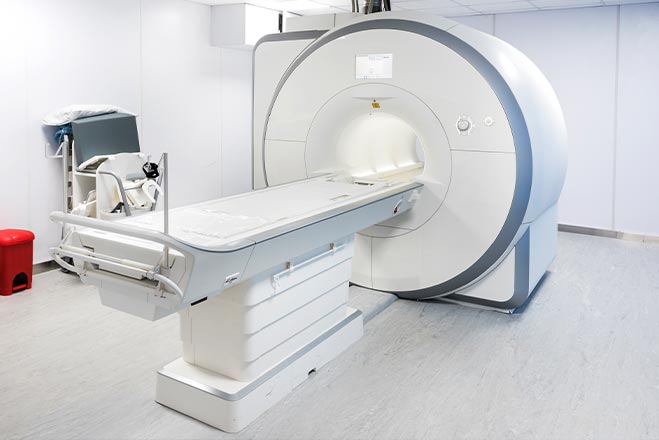
Standard MRI machine
Getting an MRI scan is also stressful for children. The bleak, sterile rooms and loud noises of the machine can be terrifying.
More than 75% of children who get MRI scans need to be sedated in order to get a proper scan.
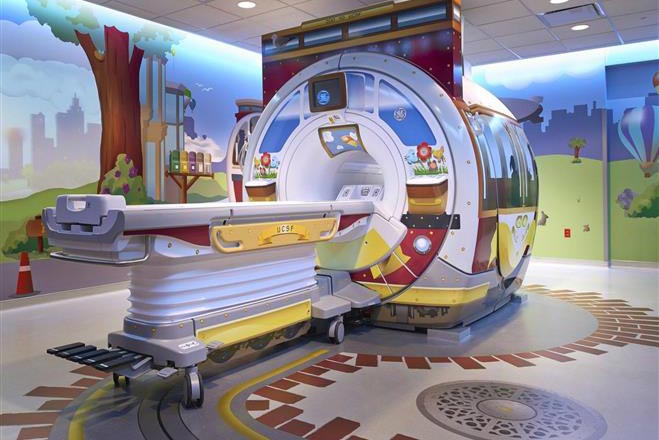
MRI machine designed for children
Doug Dietz is an industrial designer who wanted to better this dreadful experience for children. He and his team designed themed environments around the MRI machine that engage the child's imagination, incorporating the machine into immersive spaces.
Less than 1% of children who get scans in these MRI machines have to be sedated.
Children get excited to enter the room and play. Doug even overheard one young girl ask her mom after the scan: can we come back tomorrow?
Interviews
Professionals in pediatrics, anesthesiology, and child psychology were interviewed to understand the problem space and gather insights on how to design an effective solution.
"Kids get iPads at younger ages... Screens make them feel comfortable."
— Peter, pediatric psychologist
"A virtual experience can be helpful, a link from the actual experience to what is on the screen would be ideal."
— Corree, pediatric anesthesiologist
"Bright colors, movement and noise will get kids attention. Audio and visual stimulation are equally important."
— Nancy, pediatric psychologist
"Kids do everything on screens... They provide direct obvious feedback."
— Nancy, pediatric psychologist
"For children, create a very open environment that evokes deep breathing. Kids feel trapped in environment with no control. Give kids opportunities to feel in control, things to play with."
— Peter, UX designer
"Breaths out should be 2 times longer than breaths in, don't engage limbic system, engage the engage parasympathetic system."
— Peter, UX designer
"The room needs to be friendly [to calm children]."
— Deborah, pediatrician
What does the experience need to be successful?
-
Sense of control
Giving the child agency by providing them with choices related to the experience will help reduce anxiety
-
Link between the physical and virtual experience
Linking what is happening on the screen to why the child has to be breathing is important.
-
Gamification
Having short, 8-15 second levels with a set goal will help the child stay distracted from the experience and engaged with the game.
-
Visual and auditory feedback
Providing immediate visual and auditory feedback helps reinforce the child's actions and keeps them engaged.
-
Part of a larger story
Creating an experience that starts outside of the operating room and continues into the operating room will help the child feel like they are part of a larger story and not just a patient.
02
SkipUX Design
Theme and story
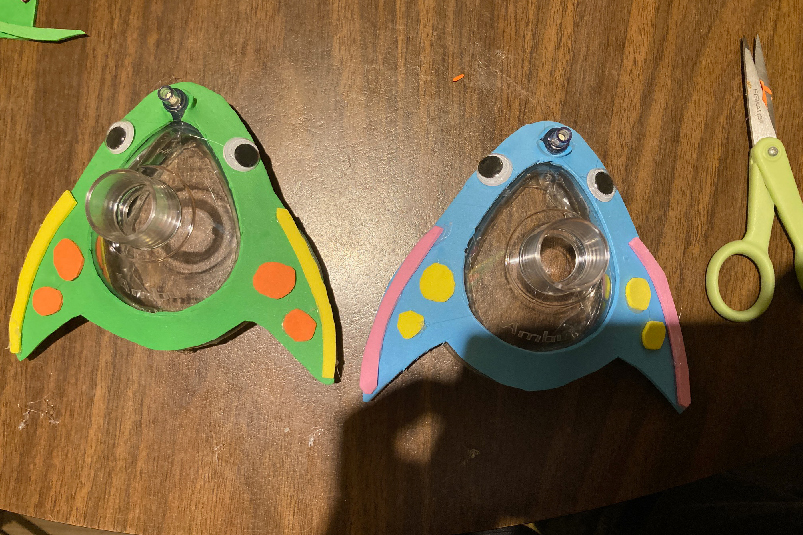
An underwater theme was chosen for the project, as the child can be told they need to put on the mask to breathe underwater and play. Masks were designed to look like fish to establish the link between the physical and virtual world..
Checklist
- Part of a larger story
- Link between the physical and virtual experience
Agency
Prior to entering the operating room, the child picks between a few masks at the start, giving them a small but important sense of control.
Checklist
- Sense of control
Levels
To keep the child engaged, five themed levels were designed where breathing is the only way to interact. Breathing triggers animations on screen, such as a whale releasing a spout of water or the lights turning on in a submarine.
Checklist
- Gamification
- Visual and auditory feedback
03
SkipDevelopment
Development obstacle
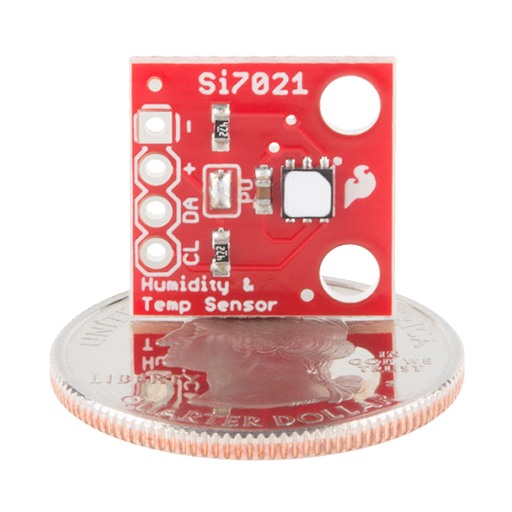
The initial design used a CO2 sensor to measure respiration. This accurately measured respiration until it was tested while hooked up to an anesthesia machine. The CO2 sensor read the anesthesia gas as CO2, and the sensor was unable to detect the user's respiration. A pressure sensor was then tested, but it was unable to detect respiration when the user exhaled into the mask. Audio was tested as well but was sensitive to outside noise. The final solution was to use a temperature sensor, which was able to accurately measure respiration in all test cases.
Components
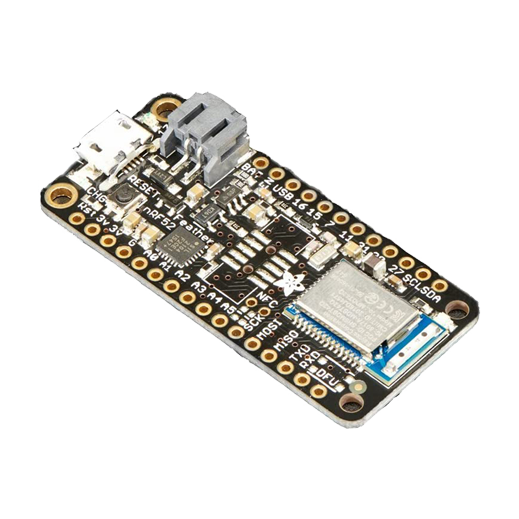
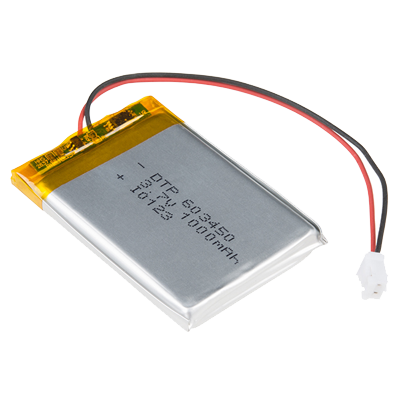
Respiration was measured through a temperature sensor, which was connected to a Bluetooth low energy board. The board was powered by a lithium ion battery and housed in a 3D printed enclosure. Readings from the sensor were sent to a p5.js web application, which displayed the interactive experience.
si7021 Temperature Sensor
After failed tests with CO2 and pressure sensors, this sensor was used to measure respiration by detecting temperature changes when the user exhaled.
Adafruit nRF52382
A lightweight Bluetooth low energy board to communicate sensor readings to the JavaScript application.
3.7V Lithium Ion Battery
This battery was used to power the board.
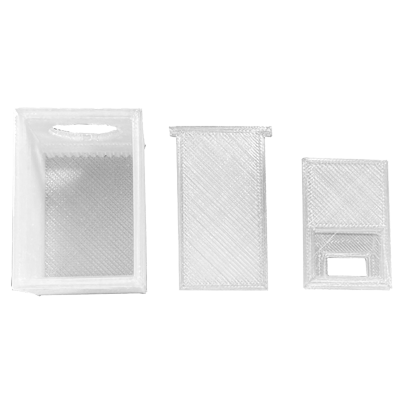
Enclosure
The enclosure was designed to house the components and connect the mask and hose. It was 3D printed using STL printing.
04
Usability Testing
Setting
The experience was tested on 3 children ages 5-7 at Rocky Mountain Hospital for Children, November 2020.
Complications
This project was implemented during the COVID-19 pandemic, which severely limited the ability to test. Early tests planned at schools were cancelled with the school closures, and hospital tests were postponed along with elective surgeries. The project was tested with a small group of children in a home setting, but the results were not as robust as they would have been in a hospital setting.
Successes
What worked well?
The experience was tested with a small group of children in a home setting. The children were able to complete the levels and interact with the experience as intended.
- The child was engaged with the experience and was able to complete the levels.
- The method used to measure respiration was effective and reliable.
- Children enjoyed the story and seemed less anxious.
Improvements
What can be improved?
Based on feedback, several areas for improvement were identified.
- Slow, controlled breath was not encouraged. The experience should be designed to encourage slow, controlled breathing, as this is the most effective way to lower anxiety.
- There should be more levels and more variety in the levels. The experience should be designed to keep the child engaged for a longer period of time.
- Testing with younger ages. Tests were done with children ages 5-7, but the experience should be tested with younger ages as well, 3-5 is generally the most difficult, and would seek to benefit from the experience the most.
- Visual improvements to the mask, potentially add an underwater design to the enclosure as well.